Selecciona tu idioma
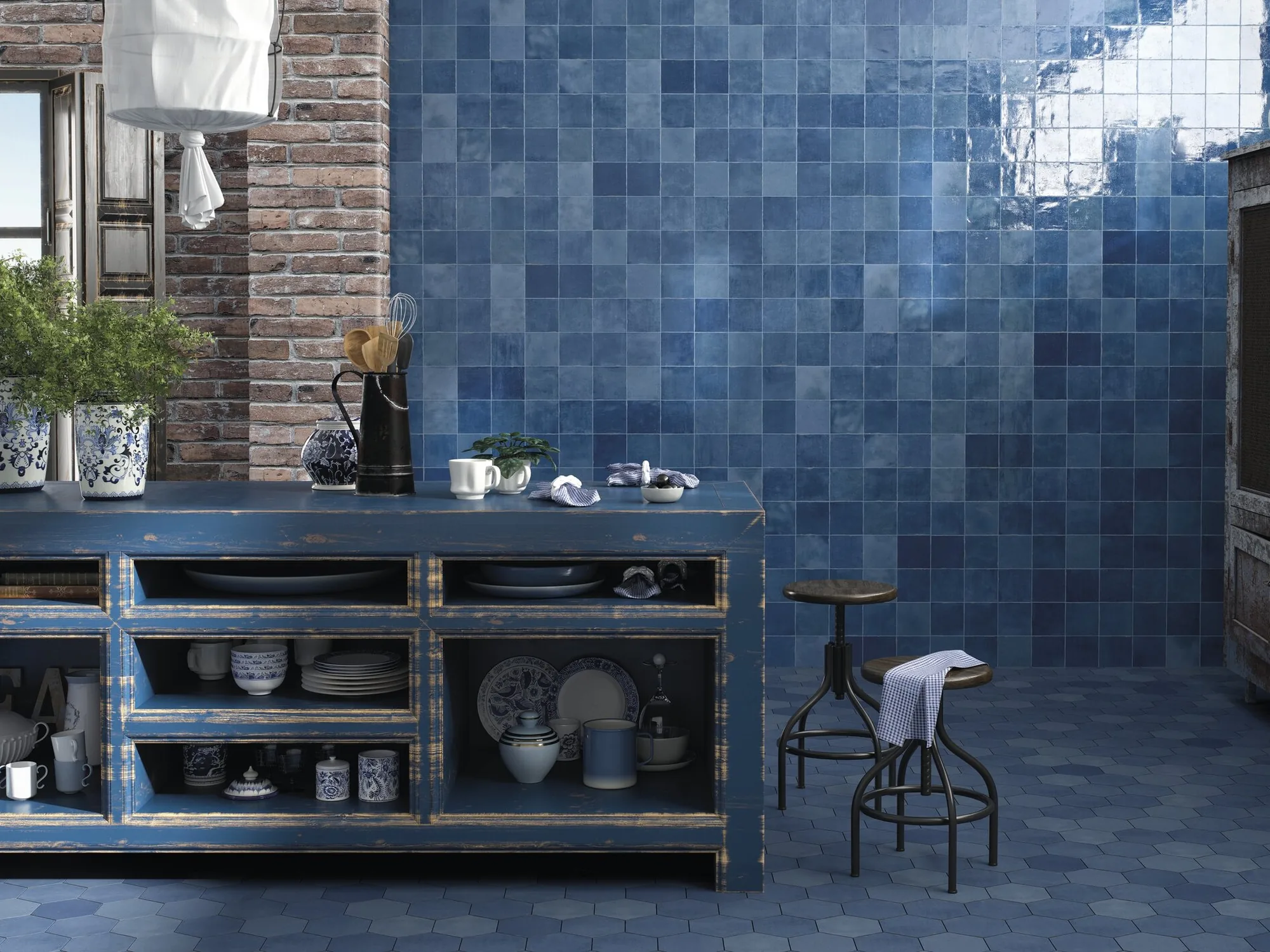
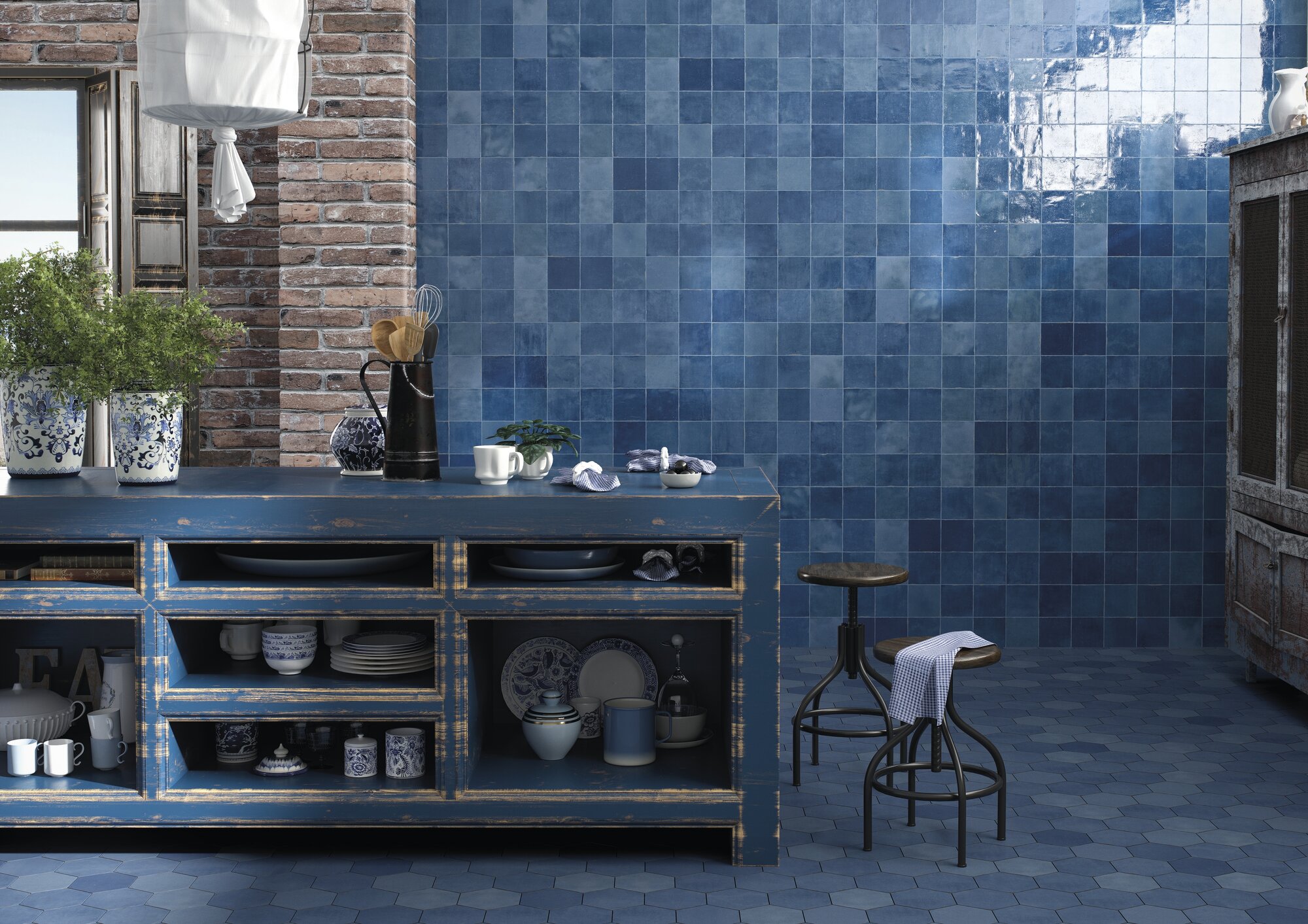
After a decade of subway rectangles and giant slabs, the humble square is having its revenge. Square kitchen tiles are back on the mood boards, and they have returned with better manners: handcrafted glazes, richer colours and formats for every wall and floor.
In this guide we cover where squares work best in the kitchen, the backsplash above all, the colours leading the comeback, and the formats to ask for.
The square is the original tile, and its return says something about what kitchens want now: honesty and craft. A grid of small squares reads as handmade in a way no oversized slab can, each piece catching the light at its own angle.
It is also the most flexible geometry in the room: laid straight it feels orderly and calm, on the diagonal it gains energy, and in two colours it becomes the eternal checkerboard. Same tile, three kitchens.
The backsplash is where square kitchen tiles earn their keep. On a surface of two or three square metres, a grid of glazed 10×10 or 13×13 pieces delivers more texture per euro than any other choice, and the repetition of joints gives the wall a rhythm that large formats simply cannot offer.
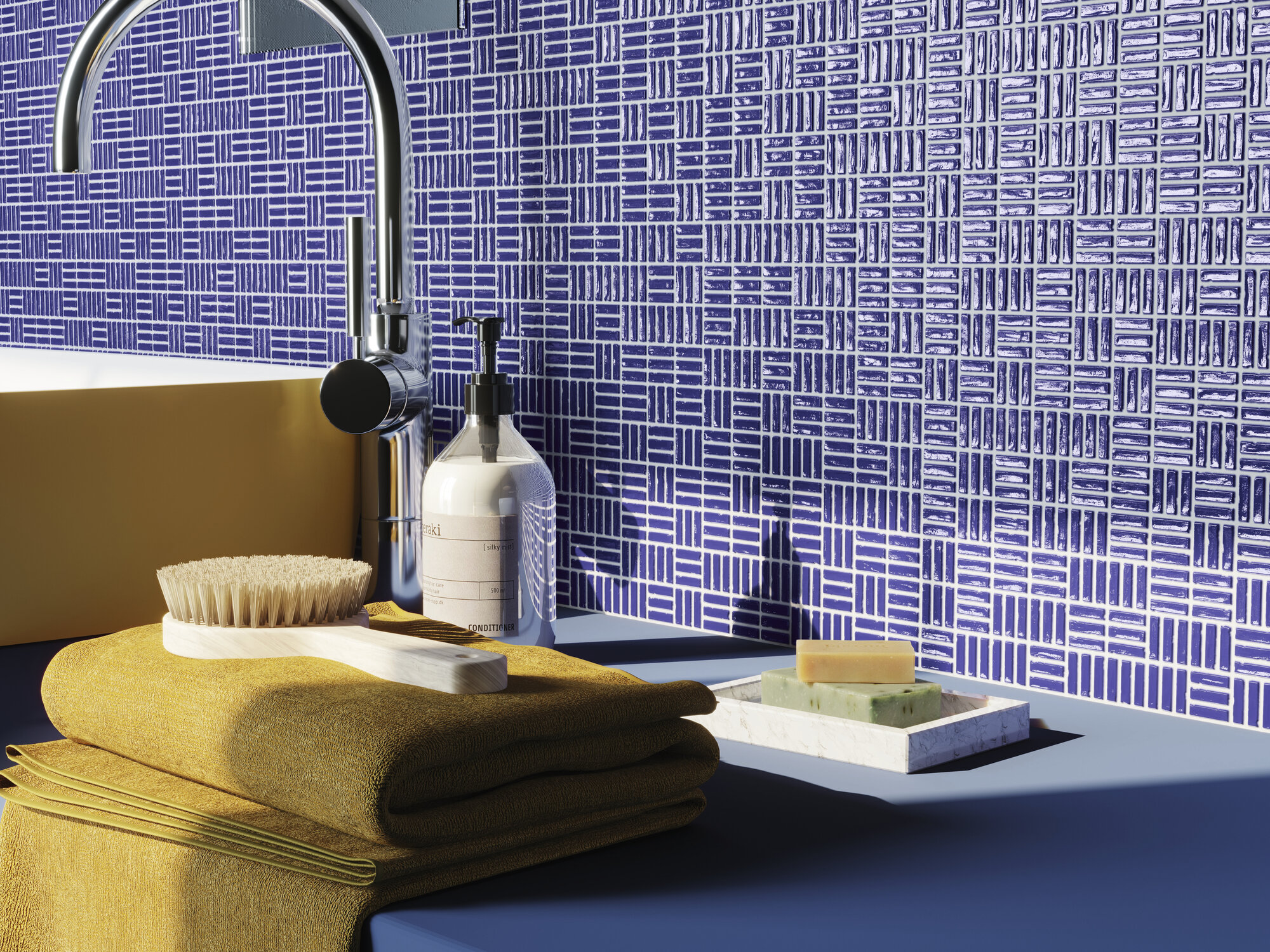
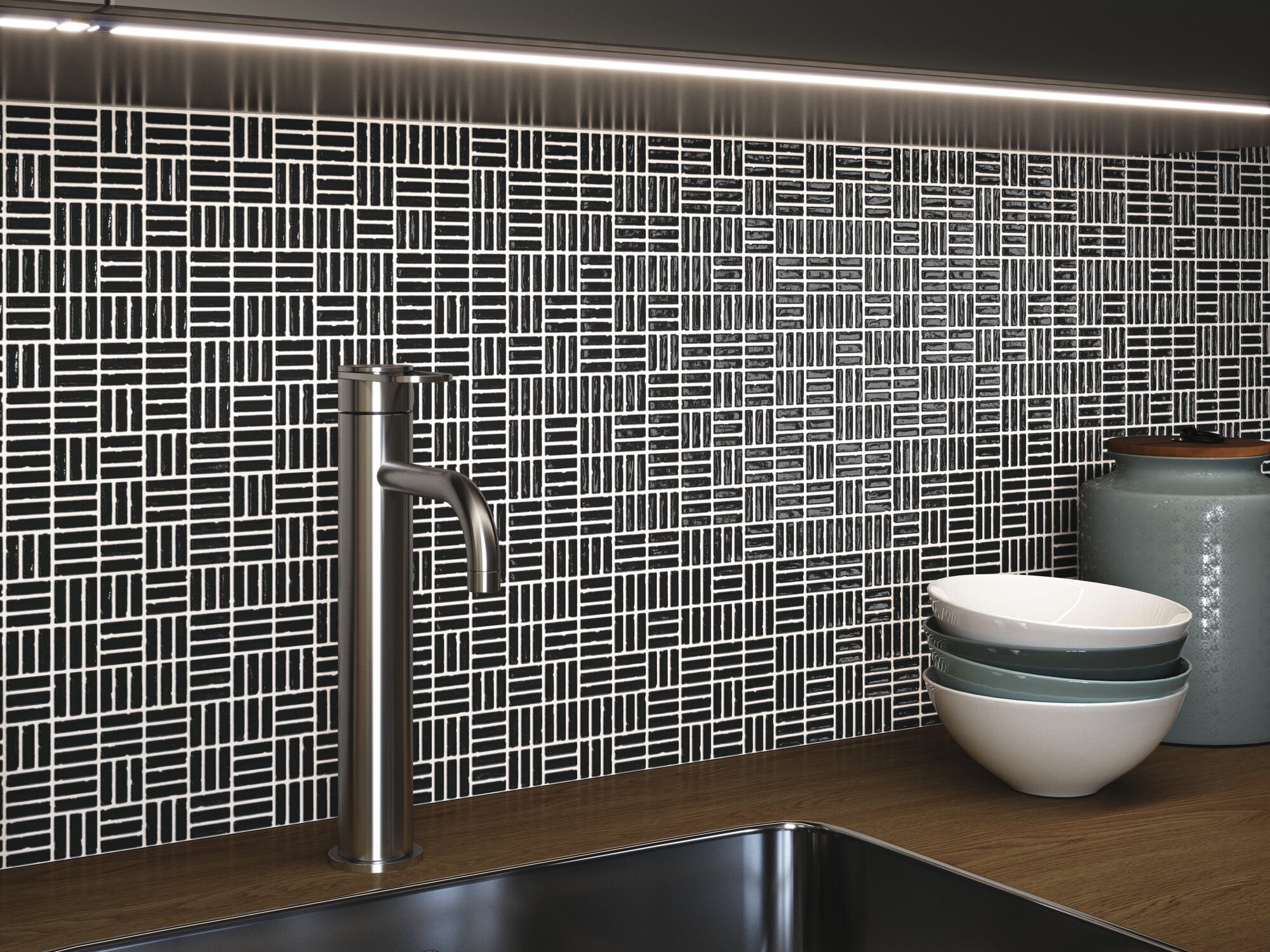
The zellige-style squares of Souk bring the artisan version, with glossy, slightly irregular surfaces in blues, greens and earth tones. For a more graphic reading, the 10×10 pieces of Tiny weave a micro-relief pattern that turns the backsplash into a textile-like surface.
On the floor, the square’s signature move is the checkerboard. Black and white is the bistro classic; softer duos, sand and cream, green and ivory, deliver the same rhythm with less drama.
It works best in kitchens with simple cabinetry, where the floor can be the storyteller, and in porcelain it handles the traffic, spills and chair legs that vintage cement tiles always struggled with.
White square kitchen tiles remain the safe, luminous base, especially in glazed versions where each piece shines slightly differently. But the comeback is being led by colour: deep blues, bottle greens, honey ochres.
Blue in particular is the strong request in current projects, from light powder tones to cobalt, and the square format wears it beautifully: the grid of joints breaks the colour into living fragments instead of one flat mass.
The backsplash may be the entry point, but square tiles reward ambition. Taking the grid from the worktop up to the ceiling turns a service wall into the architecture of the room, a move that works especially well around open shelving, where the tiled backdrop frames everything placed on it.
Half-height tiling is the other classic: squares up to shoulder level with painted wall above, a formula borrowed from bistros and old dairies that gives the kitchen instant heritage. In open-plan homes, extending the same square tile to a breakfast-bar front or a chimney breast ties the cooking zone to the living space without building a single wall.
The square grid is sociable, but some pairings work harder than others:
The plain beige 20×20 of the nineties is. The current wave is different: handcrafted glazes, saturated colours and deliberate grids. Squares today are a design statement, not a default.
Tone on tone keeps the wall calm and lets the glaze speak; a contrasting grout draws the grid and doubles the graphic effect. With coloured squares, a warm grey grout is the safest middle path.
No. Used on the backsplash or one wall, the fine grid adds depth and detail. What shrinks a room is visual clutter, not joint count.
Square kitchen tiles prove that geometry does not need to be complicated to have character. Start with the glazed squares of Souk or the woven relief of Tiny, choose the size for the job, and let the grid do the talking.




 Return